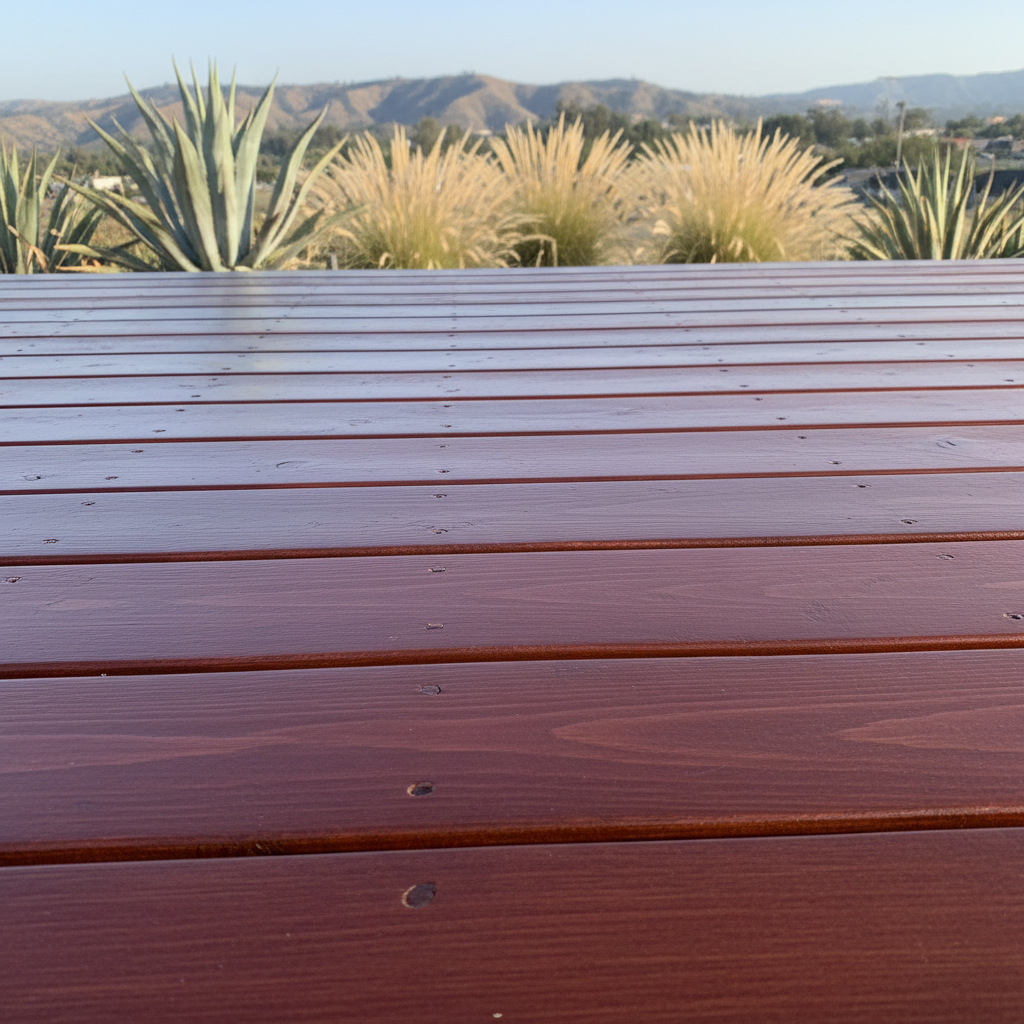
Alright, so you're looking at your deck and thinking it could use a facelift. Maybe it's faded, maybe it's peeling, or maybe you just want a new color. Deck painting and staining is a common project, and a lot of folks wonder if they can just roll up their sleeves and get it done. The short answer is: sometimes, yeah. But there are definitely times when you're better off calling in the cavalry.
Before You Even Think About Paint or Stain
Before you buy a single can of anything, you've got to assess your deck. This is critical. You can't just slap new stuff over old problems. First, clean it. I'm talking a deep clean. Get rid of all the dirt, mildew, algae, and loose debris. A good power wash is usually the way to go here, but be careful not to damage the wood. If you've got a lot of mildew, a deck cleaner with bleach or oxygen brightener will do the trick.
Next, inspect the wood. Are there any rotten boards? Loose railings? Popped nails or screws? If your deck has structural issues, painting or staining it is like putting lipstick on a pig. You need to fix those problems first. Replace any rotten wood, secure loose fasteners, and sand down any rough spots or splinters. This isn't just about aesthetics; it's about safety and making sure your new finish actually lasts.
Also, consider the weather. Here in LA, we get those long, dry summers, which are perfect for deck projects. But you don't want to do this in direct, scorching sun, and you definitely don't want rain in the forecast for at least 24-48 hours after you finish. Humidity plays a role too; too high, and your finish won't cure properly.
Paint vs. Stain: What's the Difference and Why It Matters
This is a big one, and it's not just about color. It's about how the product protects your wood and how much maintenance you're signing up for.
- Paint: Paint sits on top of the wood, forming a thick, opaque layer. It offers excellent UV protection and can hide a lot of imperfections. If your deck is older, has mismatched wood, or you just want a completely uniform color, paint might be your choice. The downside? It can chip and peel, especially on horizontal surfaces that get a lot of foot traffic and sun exposure. When it fails, it usually looks pretty bad, and prep for repainting is a lot more work – often requiring scraping and sanding.
- Solid Stain: This is kind of a hybrid. It's opaque like paint but penetrates the wood more. It still hides grain but usually won't peel as badly as paint. It's a good middle ground if you want color but less maintenance hassle than paint.
- Semi-Transparent Stain: This type of stain allows some of the wood grain to show through, enhancing the natural beauty of the wood while adding color and UV protection. It penetrates deeper than solid stain and typically won't peel. When it's time to reapply, you often just need a good cleaning and a fresh coat, not extensive scraping.
- Transparent/Clear Sealer: These products offer UV and moisture protection while letting the natural wood grain shine through completely. They need reapplication more frequently than stains or paints, but the prep work is usually minimal – just a good clean.
For most decks, especially those with good-looking wood, I usually recommend a semi-transparent stain. It protects well, looks natural, and is easier to maintain in the long run. If your deck is really beat up and you want to hide a lot of flaws, a solid stain or paint might be necessary, but just be aware of the future maintenance.
The DIY Zone: What You Can Realistically Do
If your deck is in decent shape, and you're just looking for a refresh, you can absolutely tackle a staining or painting project yourself. Here’s what that usually involves:
- Cleaning and light sanding: You can rent a power washer or buy a good deck cleaner. A pole sander with 80-120 grit paper can smooth out rough spots.
- Minor repairs: Replacing a few loose screws or hammering down a nail? Totally doable.
- Application: Brushes, rollers, and stain pads are your friends. Take your time, work in small sections, and follow the product instructions for drying times and coats. Don't over-apply, especially with stain; it'll just sit on the surface and get sticky.
- Masking and protecting: Taping off siding, covering plants – this is tedious but essential, and it's something any homeowner can do.
A lot of my clients in areas like Silver Lake or Venice Beach, with their smaller, well-maintained decks, often handle the re-staining themselves every few years. It's a good way to save some money and get a little satisfaction from a job well done.
When to Call a Pro (That's Me, or Someone Like Me)
There are definitely situations where trying to DIY it will just lead to frustration, a mediocre result, or even more problems down the line. Here's when you should pick up the phone:
- Extensive damage: If you've got multiple rotten boards, wobbly railings, or significant structural issues, you're not just painting; you're doing a major repair. That's a job for someone with the right tools and expertise.
- Lead paint or old finishes: If your deck has layers of old, peeling paint, especially if it's an older home, you might be dealing with lead paint. That requires specialized removal and safety precautions. Don't mess with lead paint yourself.
- Complex designs or large decks: A multi-level deck with intricate railings and lots of spindles? That's a huge undertaking. Getting an even finish on all those surfaces without drips or missed spots is tough. For a sprawling deck in, say, the Hollywood Hills, you'll be glad you hired someone.
- Time constraints or lack of patience: This isn't a weekend project if you want it done right. Prep alone can take days. If you don't have the time or the patience for meticulous cleaning, sanding, and careful application, you'll be happier with a professional result.
- You want a warranty: A reputable contractor, like Los Angeles Deck Solutions, will stand behind their work. If something goes wrong with the finish prematurely, we'll fix it. You don't get that guarantee when you DIY.
Ultimately, it comes down to your comfort level, the condition of your deck, and how much time and effort you're willing to put in. A fresh coat of paint or stain can really transform your outdoor space, but doing it right means understanding the scope of the work. If you're ever in doubt, just give us a shout. We're always happy to give you an honest assessment of your deck and what it needs.