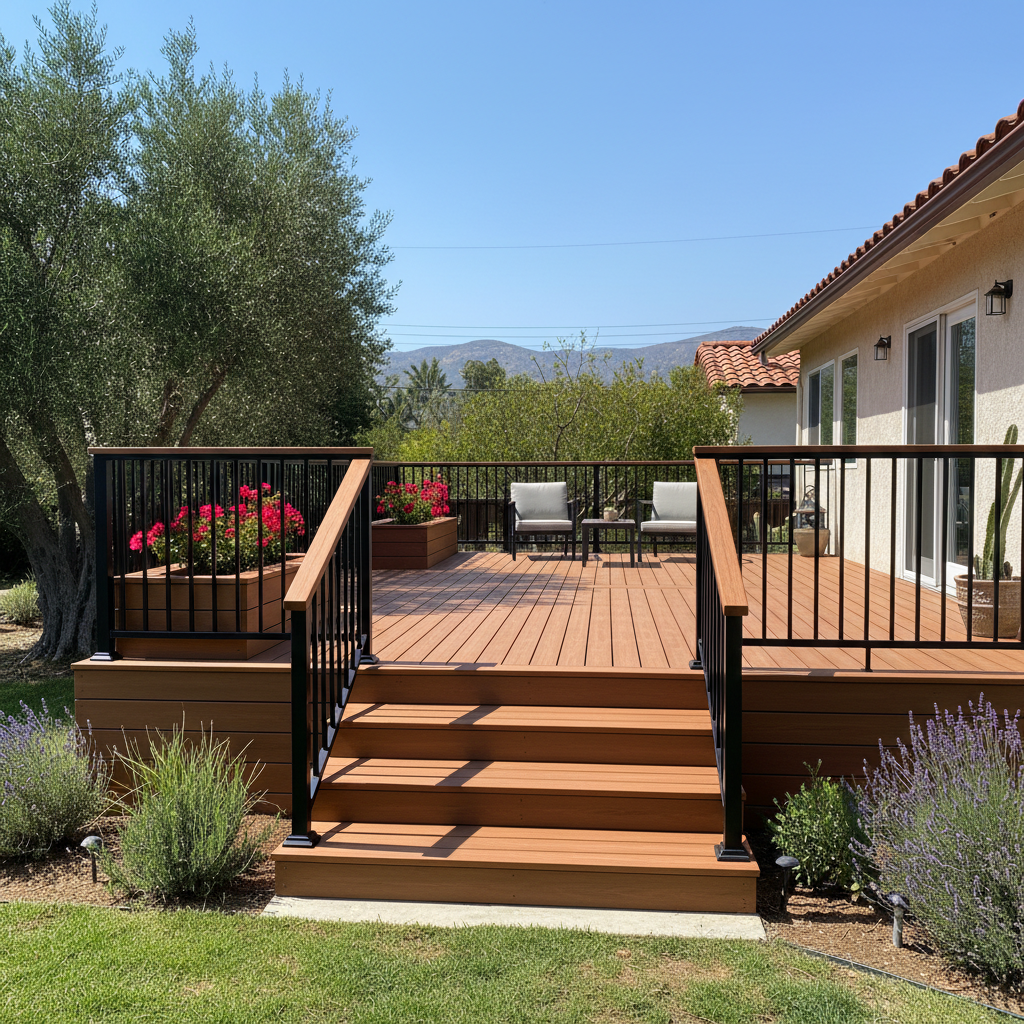
So, you're ready for a new deck, or maybe a big repair on an existing one. That's exciting! But before you jump into getting bids, you need to know how to pick the right person for the job. It's not just about the lowest price; it's about quality, reliability, and making sure you don't get stuck with a headache. I've been doing this for years here in LA, and I've seen it all. Here's my advice on how to hire smart.
What to Ask Potential Deck Contractors
You're interviewing these folks, not the other way around. Don't be shy. You need to get straight answers to some key questions. This isn't just about their skills; it's about how they run their business and how they'll treat you.
- Can you provide proof of insurance? This is non-negotiable. They need general liability insurance and workers' compensation. If they don't have both, or try to tell you they don't need it, walk away. Period. You don't want to be liable if someone gets hurt on your property or if there's damage.
- Are you licensed by the CSLB? What's your license number? In California, a deck builder should have a Class B (General Building Contractor) or a C-5 (Framing and Rough Carpentry) license if they're doing structural work. Verify it on the CSLB website. It takes five minutes.
- How long have you been building decks in Los Angeles? Experience matters, especially with our unique soil conditions and specific building codes here in LA County. Someone who's built decks in the Valley versus the Hollywood Hills might have different experiences, but local knowledge is key.
- Can you provide references from recent clients? A good contractor will happily give you a few names and numbers. Call them. Ask about communication, timeliness, how they handled issues, and if they'd hire them again.
- What's your typical project timeline, from start to finish? You want a realistic idea of when they can start and when they expect to be done. Delays happen, but a good contractor communicates them.
- Who will be supervising the work daily? Is it the owner, a foreman, or a rotating crew? You want a consistent point of contact who knows what's going on.
- How do you handle change orders? Sometimes things come up, or you change your mind. A clear process for documenting and pricing changes prevents nasty surprises later.
Decoding the Quote: What a Good One Looks Like
You'll get a few quotes, and they won't all look the same. That's okay, but you need to know what details to look for. A good quote isn't just a number; it's a detailed plan.
- Detailed Scope of Work: This should clearly describe everything included. What type of wood or composite? What kind of fasteners? What's the foundation? Is demolition included? Railings? Stairs? Lighting? Don't assume anything.
- Material Specifications: It should list the specific materials they plan to use. Brand names, grades of lumber, type of decking. For example,