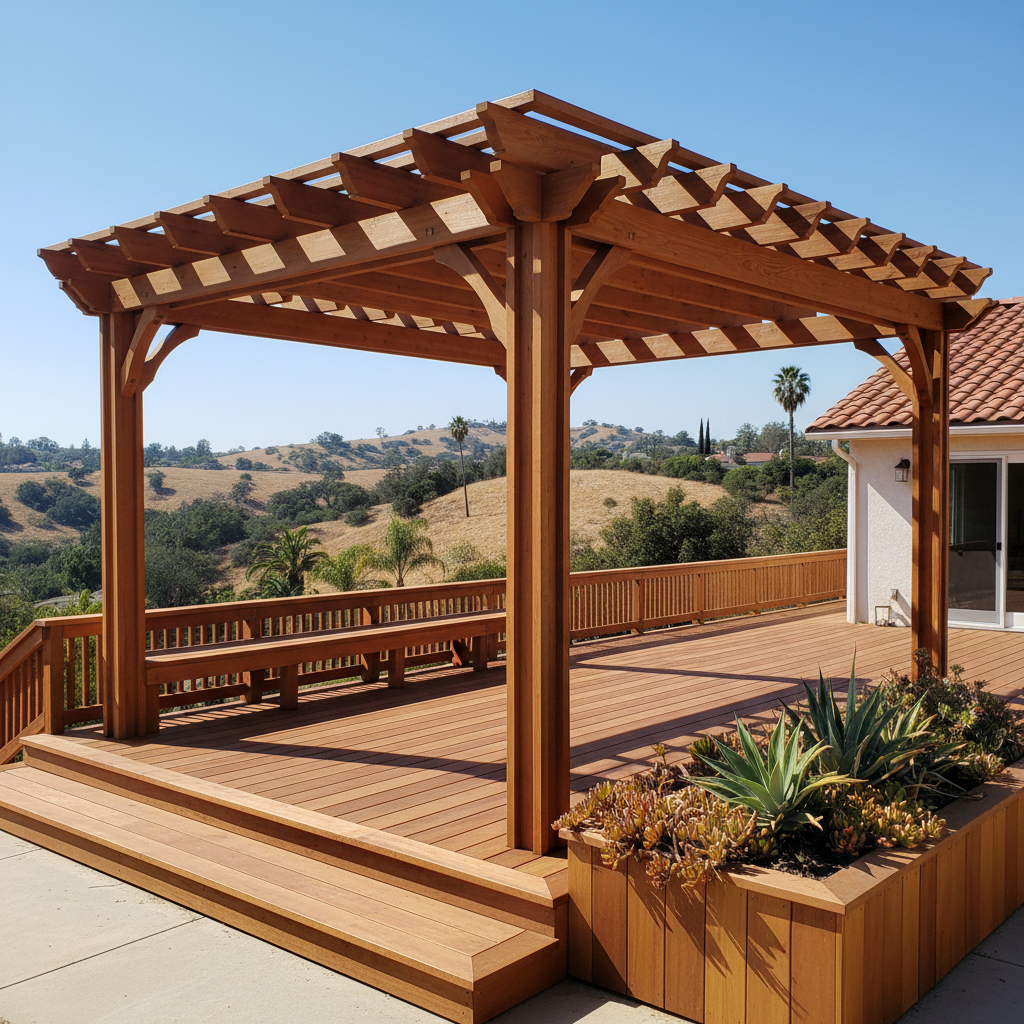
Your Pergola's Lifespan: What You Need to Know
You've got a great pergola, right? It's giving you that perfect shade, adding style to your backyard. But like anything out in the elements here in Los Angeles, it won't last forever without a little TLC. I've seen countless pergolas, from the fancy custom builds in Beverly Hills to the more modest kits in the Valley, and the ones that really hold up all have one thing in common: consistent, smart maintenance. Our climate, with its intense sun, occasional heavy rains, and those infamous Santa Ana winds, really puts outdoor structures through their paces. You just can't build it and forget it, not around here.
Extending your pergola's life really comes down to protecting it from moisture and UV damage. That's the one-two punch that degrades wood, metal, and even composite materials over time. Think of it like sunscreen for your skin – you wouldn't go out in the July sun without it, and your pergola shouldn't either, metaphorically speaking. Regular cleaning, sealing, and quick repairs are your best defense. It's that simple.
What Regular Maintenance Looks Like
Let's talk about the nitty-gritty of keeping your pergola in top shape. This isn't rocket science, but it does ask for a little attention a couple of times a year.
- Clean It Up: Twice a year, give your pergola a good wash. Use a soft brush and a mild detergent mixed with water. For wood, especially, you want to get rid of any dirt, pollen, or mildew that's started to build up. Mildew loves our damp mornings, even if the afternoons are bone dry. Rinse thoroughly with a garden hose – but don't go crazy with a high-pressure washer, you could damage the finish or even the wood fibers.
- Check Fasteners: Walk around the whole structure. Are all the bolts, screws, and brackets tight? The constant expansion and contraction from our temperature swings can loosen things up. A loose connection isn't just an eyesore; it can actually compromise the structural integrity, especially if we get a strong gust of wind.
- Inspect for Damage: Look for cracks, splinters, or rot, particularly where wood meets the ground or other surfaces. If you have a painted or stained pergola, check for peeling or fading. For metal pergolas, look for rust spots. Even a small crack can become a big problem if water gets in and freezes (not common here, but it happens in the mountains sometimes) or just sits there, promoting rot.
- Reapply Sealant/Stain: This is crucial for wooden pergolas. Depending on the product you used and how much sun it gets, you'll need to reapply a sealant or stain every 1-3 years. The sun here is brutal, and it breaks down finishes fast. A good quality UV-resistant sealant will protect the wood from drying out, cracking, and fading. If you let it go too long, the wood will start to gray and become more susceptible to moisture damage.
Warning Signs You Can't Ignore
Sometimes, problems sneak up on you. But if you know what to look for, you can catch them before they turn into a major headache or, worse, a safety hazard. I've seen pergolas where folks ignored these signs and ended up needing a full rebuild instead of a simple fix.
- Soft or Spongy Wood: This is a big red flag for rot. Poke around with a screwdriver, especially at the base of posts or where beams connect. If the wood feels soft or crumbles easily, you've got rot.
- Cracks or Splits: Small surface cracks are often fine, but deep cracks that run along the grain or through a joint can indicate structural stress or drying out.
- Wobbly Posts or Beams: If you can wiggle a post or a main beam, something is seriously wrong. This could be loose fasteners, a failing connection, or even a foundation issue.
- Significant Peeling or Fading Finish: While some fading is normal, large areas of peeling paint or stain mean the wood is exposed to the elements and losing its protection.
- Pest Damage: Look for small holes, sawdust-like material (frass), or mud tubes. Termites and other wood-boring insects are a real problem in many parts of LA, especially in older neighborhoods with mature trees like those around Hancock Park. They can silently destroy a structure from the inside out.
When to Call a Pro (Like Los Angeles Deck Solutions)
Look, I'm all for DIY when it makes sense, but there are times you just need to bring in someone with experience. If you see any of those serious warning signs – significant rot, structural instability, or widespread pest damage – don't try to patch it yourself. You might make it worse, or miss the underlying issue.
You should also call a professional if you're not comfortable working at heights, if the repairs involve complex structural elements, or if you're dealing with a large area of damage. We've got the tools, the expertise, and the insurance to handle these jobs safely and effectively. Sometimes, a small repair now can prevent a much bigger, more expensive problem down the road. Don't wait until your pergola looks like it's ready to collapse; a quick inspection from a pro can give you a plan to keep your outdoor space beautiful and safe for years to come.